
QuantE Energy Blog

By QuantE Energy Tech Private Limited

Why Housing Societies Should Install Solar Panels

Solar panels on housing society rooftop

Rising electricity costs are one of the biggest concerns for housing societies today. Common area electricity expenses for lifts, water pumps, lighting, and security systems can significantly increase maintenance charges.

Read More

1. Major Savings on Common Area Bills

Installing rooftop solar panels can reduce common area electricity bills by 50% to 70%. Since solar energy is generated directly from sunlight, societies become less dependent on grid electricity.

2. Zero Investment Models Available

With RESCO and zero-investment models, housing societies can install solar systems without upfront capital. The system provider installs and maintains the plant, and the society pays only for the electricity generated at a reduced tariff.

3. Increase in Property Value

Solar-powered societies are more attractive to home buyers and tenants. Green and energy-efficient buildings are considered future-ready and sustainable.

4. Environmental Impact

A typical 50kW solar plant can reduce approximately 60–70 tons of carbon emissions annually. This contributes to a cleaner environment and supports India's renewable energy goals.

“Solar is not just an investment in energy — it is an investment in sustainability and long-term savings.”

Conclusion

Housing societies that adopt solar energy today secure financial savings, environmental benefits, and long-term energy stability. QuantE Renewables specializes in designing, installing, and managing rooftop solar systems for residential communities.

Understanding RESCO and Zero Investment Model

RESCO Model

15 February 2026

The RESCO model allows societies to install solar without upfront investment. The developer owns and maintains the system.

Read More

1. What is RESCO Model?

RESCO (Renewable Energy Service Company) model is a zero upfront investment solar model. In this structure, the solar developer installs, owns, and maintains the rooftop solar plant, while the society pays only for the electricity generated at a pre-agreed tariff.

2. How RESCO Works?

1. Installation

The solar developer installs the rooftop solar plant at no cost to the society.

2. Ownership

The developer retains ownership of the solar system during the contract period (typically 15–25 years).

3. Power Purchase Agreement (PPA)

The society signs a long-term agreement and pays only for electricity consumed at a lower tariff than grid rates.

4. Maintenance

All operations, maintenance, and performance risks are handled by the developer.

Benefits of RESCO Model

  • No upfront capital investment
  • Lower electricity tariff
  • No maintenance responsibility
  • Long-term energy cost savings
  • Reduced carbon footprint

Why Choose QuantE for Resco Model?

QuantE specializes in designing and implementing rooftop solar solutions for residential societies under RESCO and CAPEX models. Our focus is on financial viability, operational excellence, and long-term sustainability.

Net Metering Explained for Residential Societies

Net Metering

05 February 2026

Net metering allows excess solar electricity to be exported to the grid, reducing your overall electricity bill.

Read More

What is Net Metering?

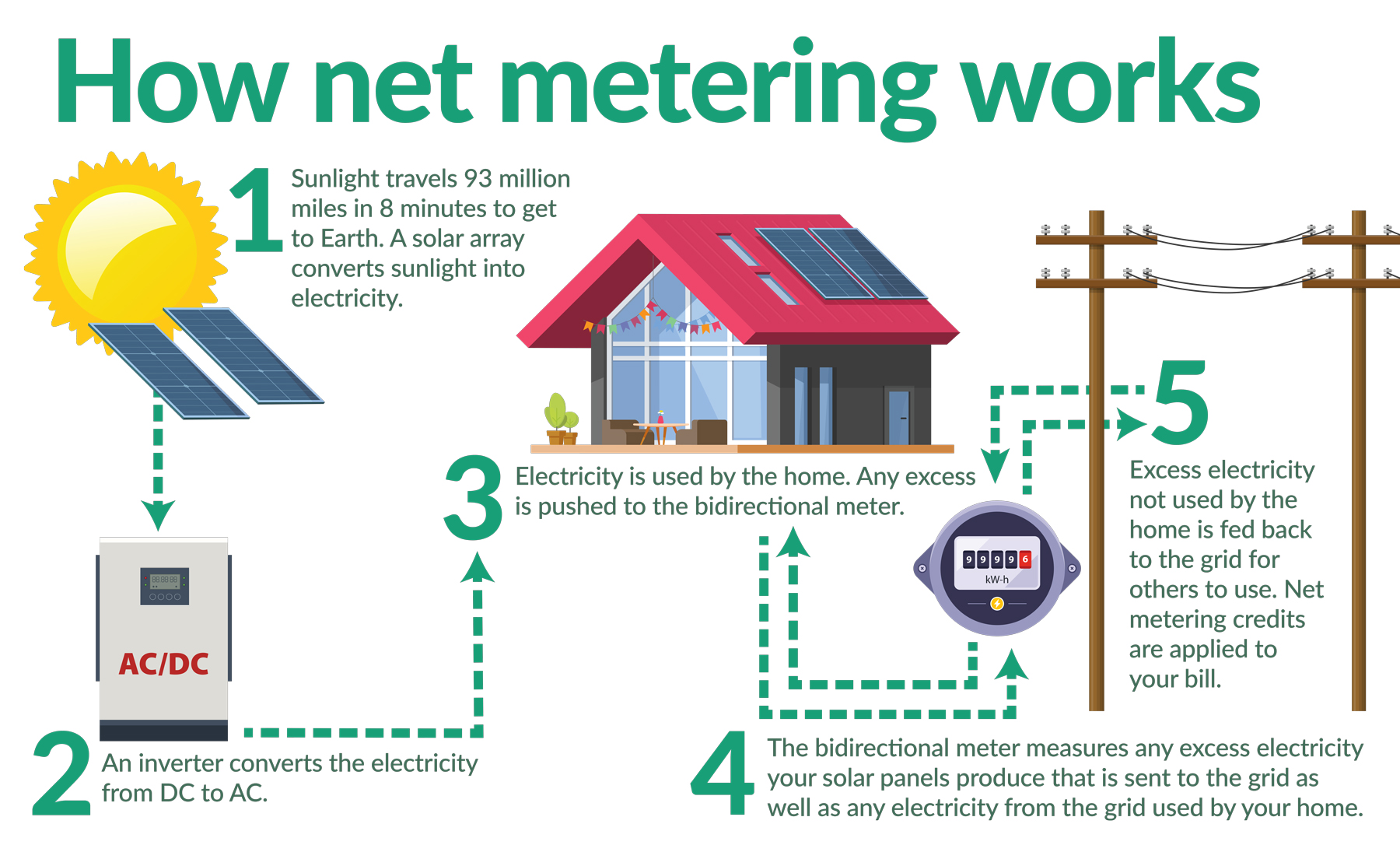
Net metering is a billing mechanism that allows solar system owners to export excess electricity generated from rooftop solar panels to the grid. In return, they receive credits that reduce their electricity bill.

How Net Metering Works?

1. Solar Generates Power

During the day, rooftop solar panels generate electricity from sunlight.

2. Power is Used Internally

The electricity generated is first used to power common area loads such as lifts, pumps, and lighting.

3. Excess Power Exported

If more electricity is generated than consumed, the surplus power is exported to the grid.

4. Bill Adjustment

The electricity distribution company adjusts exported units against imported units in the monthly bill.

Benefits of Net Metering

  • Reduces overall electricity bills
  • Maximizes utilization of solar generation
  • Shorter payback period for solar systems
  • Encourages renewable energy adoption
  • Supports India’s clean energy goals

Net Metering for Housing Societies

In residential societies, net metering significantly reduces common area electricity expenses. Any surplus solar energy generated during low usage hours is credited and adjusted against electricity consumed at night or during cloudy days.

Why Choose QuantE for Net Metering?

QuantE provides complete assistance in net metering approvals, documentation, liaison with DISCOMs, and end-to-end rooftop solar installation for housing societies.

← Back to Home